

电梯不锈钢包边:从选材到工艺的品质构建
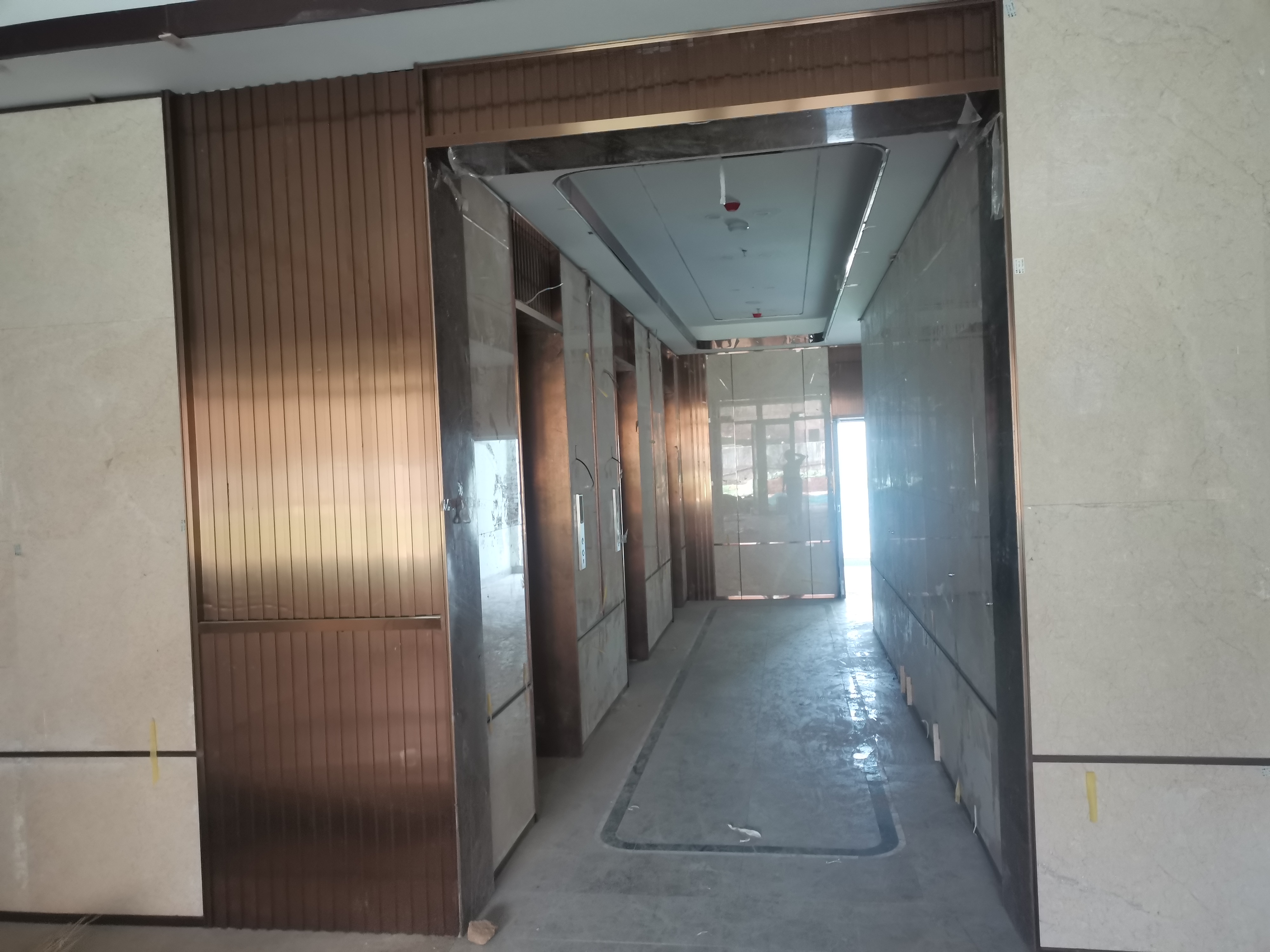
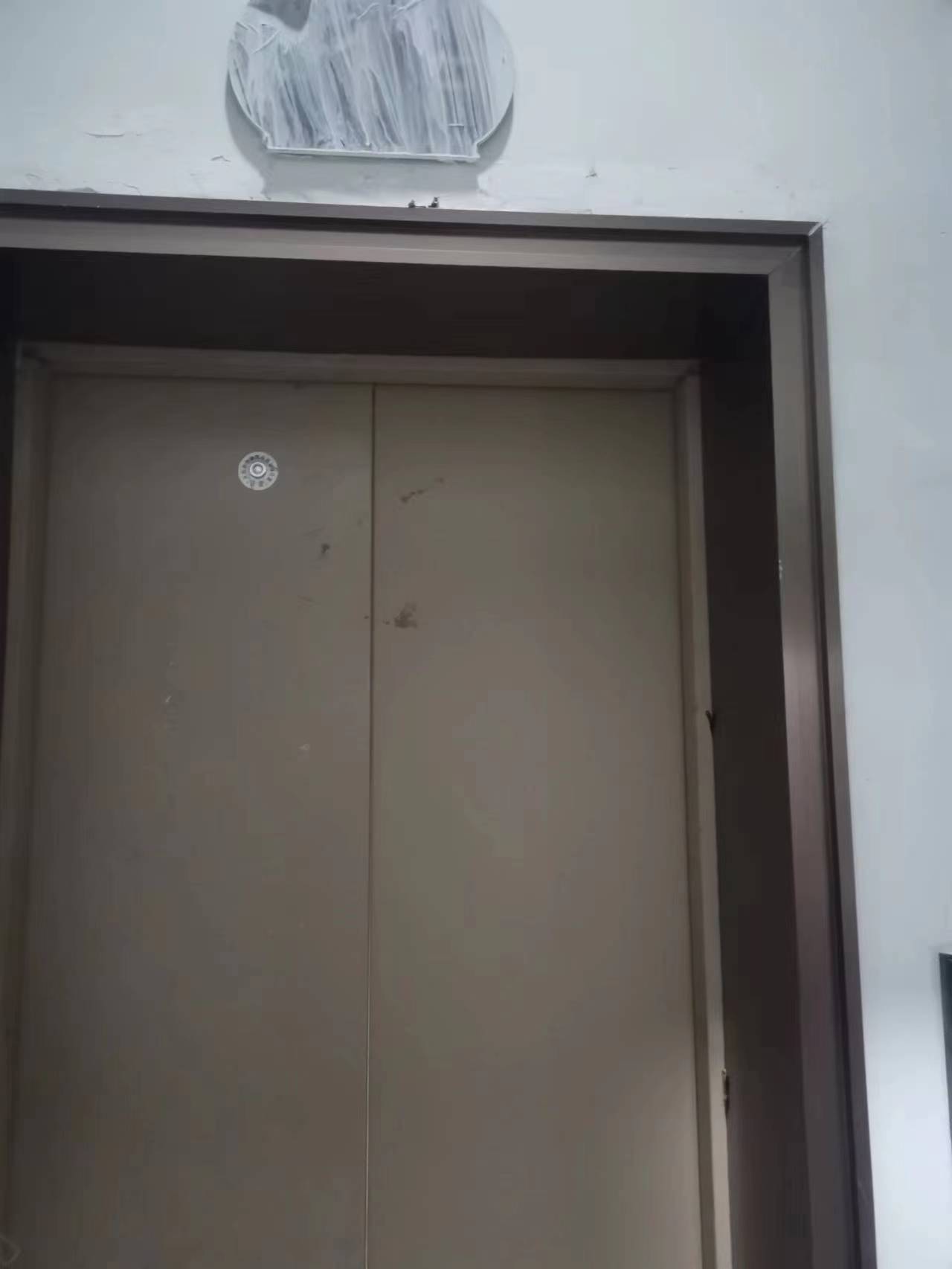
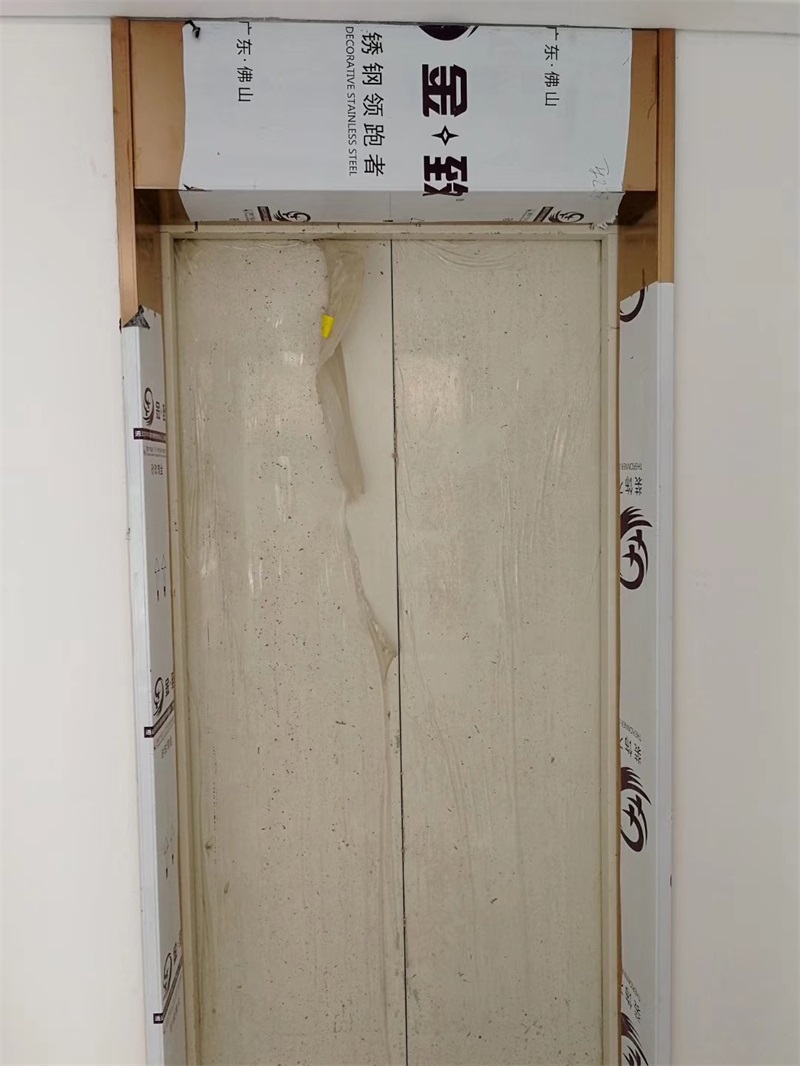
在现代建筑的垂直交通体系中,电梯不仅是功能性的运载工具,更是建筑内部装饰美学的重要载体。电梯不锈钢包边作为电梯门套与轿厢装饰的核心组成部分,兼具保护墙体、遮蔽缝隙与提升视觉档次的重要功能。一个高质量的电梯不锈钢包边工程,始于对材料的严苛甄选与对工艺的深度把控。
In the vertical transportation system of modern architecture, elevators are not only functional means of transportation, but also important carriers of interior decoration aesthetics. As the core component of elevator door frames and car decorations, stainless steel edging in elevators serves the important functions of protecting walls, shielding gaps, and enhancing visual quality. A high-quality elevator stainless steel edging project begins with rigorous selection of materials and deep control of the process.
选材是决定包边品质的基石。在材质上,304不锈钢凭借其优异的耐腐蚀性和韧性,成为绝大多数室内电梯包边的优选材料;而在潮湿环境或高腐蚀风险的地下室区域,则需升级至耐腐蚀性能更强的316不锈钢。板材厚度同样大有讲究,标准层电梯门套通常采用1.0mm至1.2mm的厚度,而在人流量大、易受碰撞的首层大堂或地下车库,板材厚度应提升至1.5mm以增强抗冲击能力。在表面处理方面,哑光拉丝工艺因能有效遮蔽日常使用留下的指纹与细微划痕,成为非常实用的选择;而镜面8K工艺虽然能出彩大拓展空间的视觉开阔感,但对板材的平整度与抗变形能力有着出众的要求,稍有不慎便会产生扭曲的“哈哈镜”效果。

Material selection is the cornerstone that determines the quality of edge wrapping. In terms of material, 304 stainless steel has become the preferred material for most indoor elevator edging due to its excellent corrosion resistance and toughness; In damp environments or high corrosion risk basement areas, it is necessary to upgrade to 316 stainless steel with stronger corrosion resistance. The thickness of the board is also important. The standard floor elevator door frame usually uses a thickness of 1.0mm to 1.2mm, while in the first floor lobby or underground garage with high pedestrian flow and easy collision, the thickness of the board should be increased to 1.5mm to enhance its impact resistance. In terms of surface treatment, matte brushed technology has become the most practical choice due to its ability to effectively mask fingerprints and fine scratches left by daily use; Although the mirror 8K process can greatly expand the visual openness of the space, it has extremely high requirements for the flatness and deformation resistance of the board, and even a slight mistake can result in a distorted "Hasselblad" effect.
在制作工艺上,现代电梯包边早已脱离了传统的现场粗放式作业,转而采用“工厂预制+现场装配”的精密模式。通过数控剪板机与折弯机的合理加工,不锈钢板被裁剪、折边成型,对角线误差被严格控制在毫米级以内。这种预制工艺不仅保证了折边线条的平直与锐利,更非常大程度地保留了不锈钢表面的完整性,避免了现场切割带来的崩边与划伤风险。此外,优良的包边工程还会在基层处理上下足功夫,采用经过防火、防潮处理的木龙骨与细木工板作为基层,甚至在潮湿区域增设镀锌钢板隔离层,从根源上杜绝因基层霉变导致的面层脱落或变形,从而构建起一道兼具美感与耐久性的电梯防护屏障。
In terms of production technology, modern elevator edging has long departed from traditional on-site extensive operations and adopted a precision mode of "factory prefabrication+on-site assembly". Through the precise processing of CNC shearing machines and bending machines, stainless steel plates are cut and folded into shapes, with diagonal errors strictly controlled within millimeters. This prefabrication process not only ensures the flatness and sharpness of the folded lines, but also maximizes the integrity of the stainless steel surface, avoiding the risk of edge breakage and scratches caused by on-site cutting. In addition, high-quality edge wrapping projects also put a lot of effort into the base treatment, using fire-resistant and moisture-proof treated wooden keels and particleboard as the base, and even adding galvanized steel sheet isolation layers in damp areas to fundamentally prevent the surface layer from falling off or deforming due to mold on the base, thus constructing an elevator protective barrier that combines aesthetics and durability.