

阴角别靠胶找平
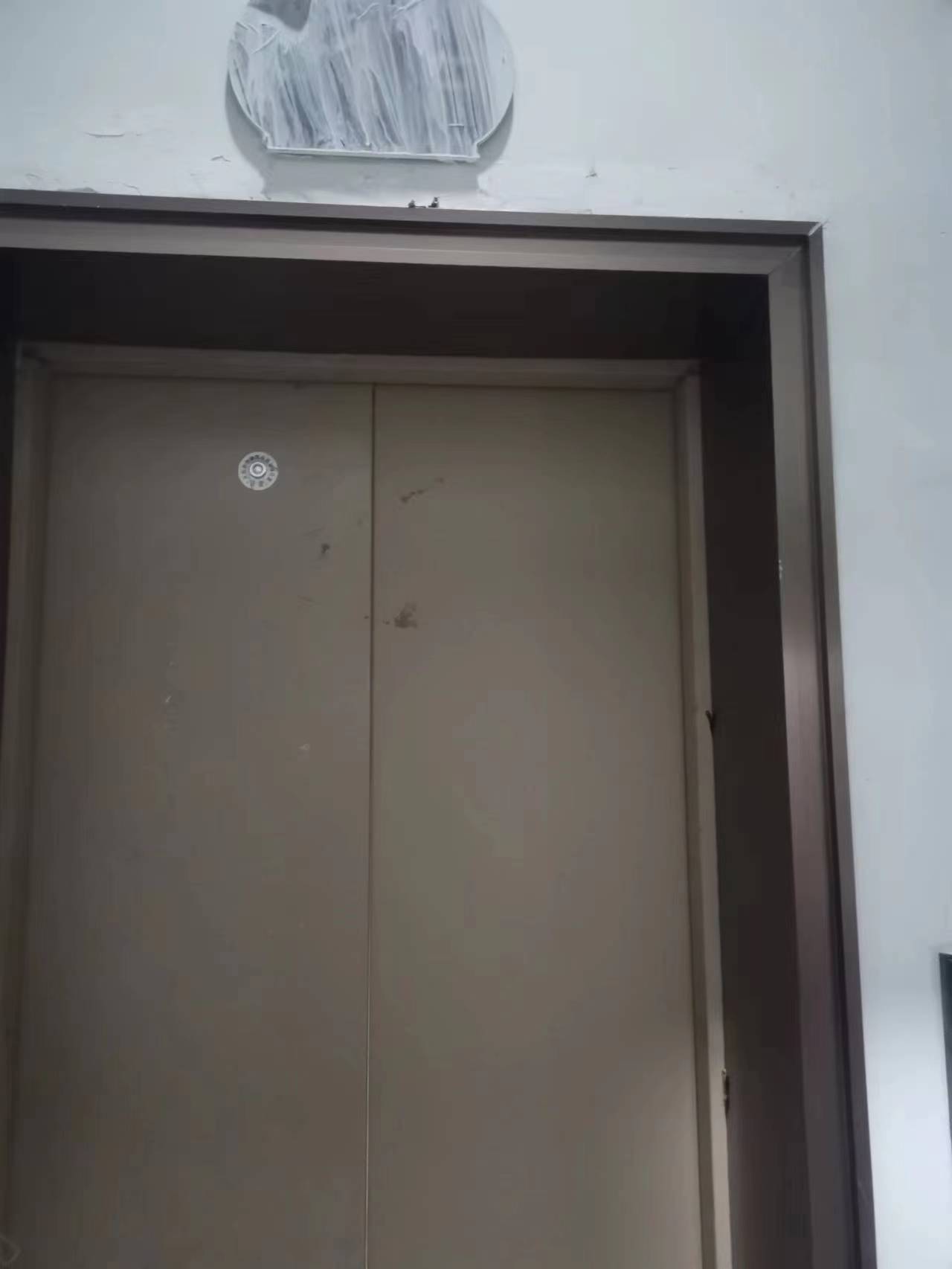
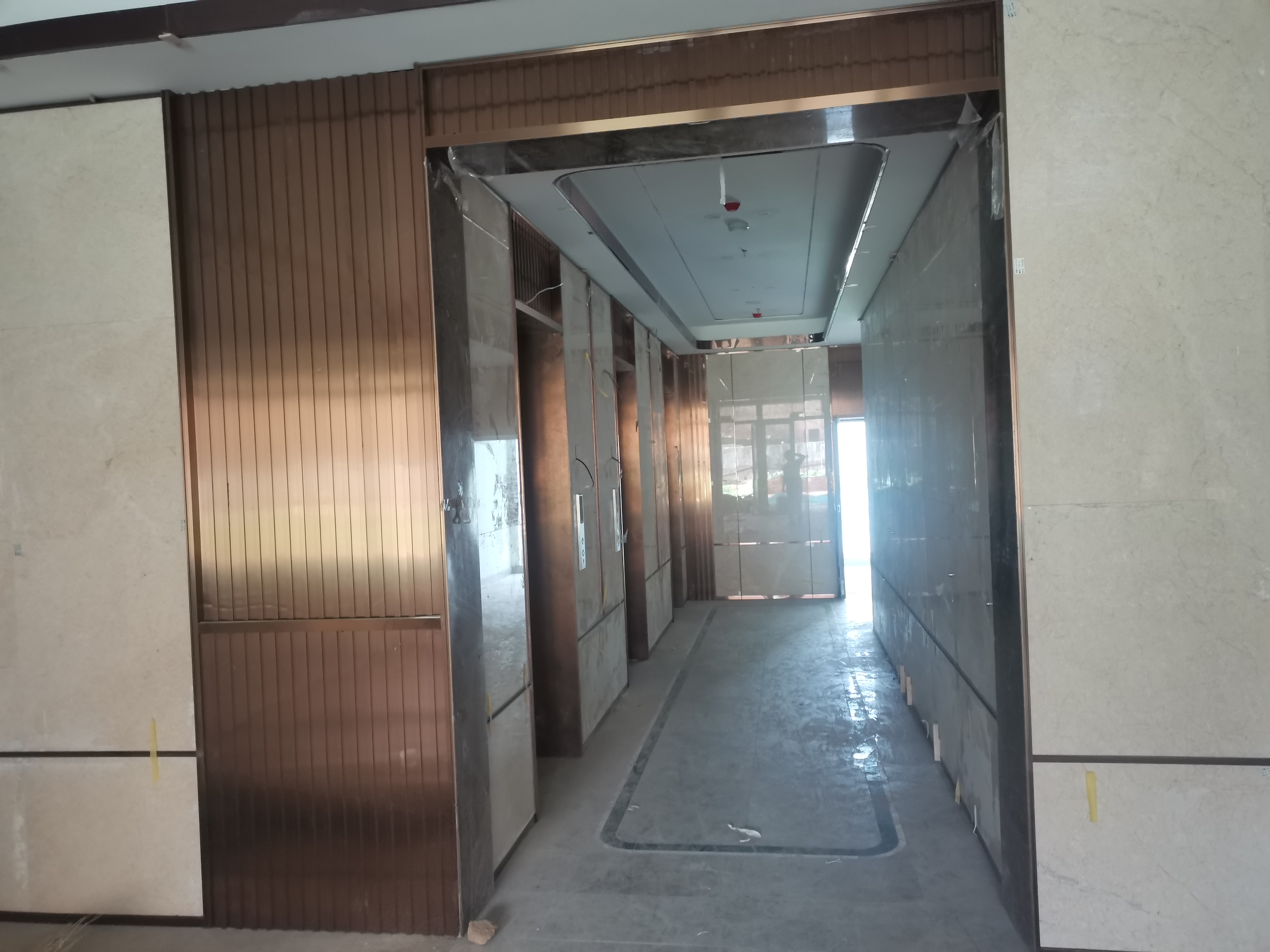
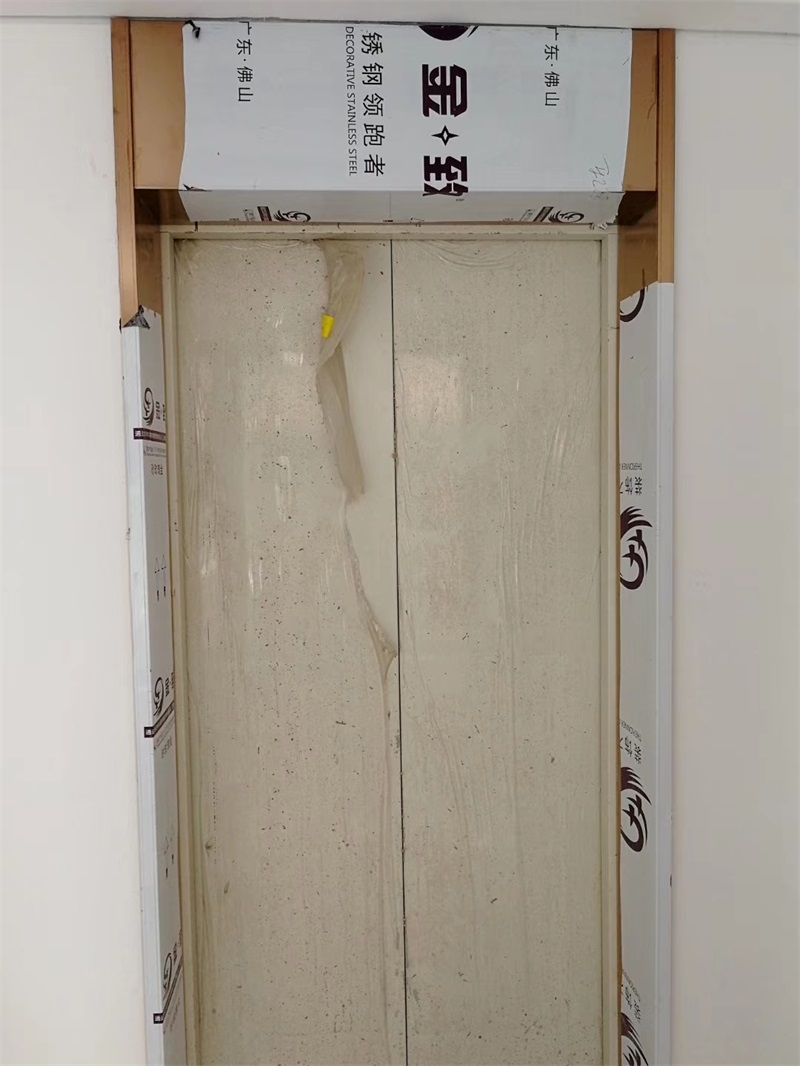
安徽这边做不锈钢包口,非常常见的一种“装完显廉价”,不是板薄,也不是拉丝纹路选错,是阴角拿胶缝去消化基层误差。瓦工贴完砖、门洞左右墙垛差两三公分,包口厂上门硬切硬拼,拼不严就打一管中性胶糊上——远看还行,侧光一打,胶缝宽窄不一、阴角发黑,半年后胶老化收缩,缝又张嘴。
The most common way to make stainless steel packaging in Anhui is to make it look cheap after installation. It's not about the thickness of the board, nor is it about choosing the wrong wire drawing pattern. It's about using glue seams to digest the errors in the base layer at the corners. After the bricklayer finished tiling, there was a difference of two or three centimeters between the left and right wall stacks of the door opening. The sealing factory came to the door and cut and spliced them hard. If the splicing was not tight, they applied a tube of neutral adhesive paste. From a distance, it looked okay, but when they applied it to the side, the width of the adhesive joints varied and the corners turned black. After six months, the adhesive aged and shrunk, and the joints opened again.
阴角翻车的根子就一条:先做的面不知道后做的停在哪。正确顺序不是“装的时候顺手收”,是深化图阶段就把阴角单独编号:哪一侧压哪一侧、留几毫米工艺缝、缝里是打同色胶还是做密拼,提前定死。
The root cause of a corner collapse is one thing: the surface that was done first doesn't know where the surface that was done later stops. The correct order is not to simply fold it when installing, but to separately number the corners during the deepening stage of the drawing: which side to press on which side, leaving a few millimeters of process seam, whether to apply the same color glue or do a tight fit in the seam, and determine in advance.

实操里三条比换厚板管用:
In practice, there are three ways to replace thick plate pipes:
基层先收小 5mm 左右。门套/包口的内衬基层(木塑、防火板、水泥压力板)做的时候比包边净尺寸小一圈,给折边和打胶留位置;基层顶满包口,现场就只能靠胶找平,必翻车。
The grassroots should be reduced by about 5mm first. When making the inner lining base layer (wood plastic, fireproof board, cement pressure board) of the door frame/package, it should be one circle smaller than the net size of the package edge, leaving space for folding and gluing; If the grassroots is covered with sealant, the site can only be leveled with glue, which will inevitably lead to overturning.
阴角密拼不补胶,或只补同色细胶。门头板压竖料、竖料压侧板,谁盖谁在图上标清楚;阴角处故意留 0.3–0.5mm 工艺缝,手摸无高低差就行。靠胶盖瑕疵,验收时一眼能看穿。
Close fitting of corners without adding glue, or only adding fine glue of the same color. The door head panel is pressed vertically, and the vertical material is pressed against the side panel. Whoever covers it should be clearly marked on the diagram; Intentionally leave a 0.3-0.5mm process seam at the corners, as long as there is no height difference when touched by hand. Defects in the rubber cover can be seen through at a glance during inspection.
阳角优先一体折弯,别现场 45° 对焊。现场切角拼焊,打磨轻了留疤、重了露底;工厂折弯件运过来直接扣,拼缝藏到阴角或非主视面。
Priority should be given to integral bending of the external angle, instead of on-site 45 ° butt welding. On site corner cutting and welding, polishing lightly left scars and heavily exposed the substrate; The factory's bent parts are directly fastened upon arrival, and the seams are hidden in the hidden corners or non main viewing surfaces.
还有个安徽工地常踩的:瓷砖贴完才叫复尺。这时候别信“左右一样宽”,拿激光水平仪打三道——上、中、下各量一次净宽,取非常小值下料,两侧差量用可调扣板吸收,别用固定止口硬卡。固定止口遇基层歪,要么卡不进去,要么强行卡上后闪缝。
There is also a common practice on construction sites in Anhui: only after tiling the tiles can it be called re measuring. At this point, don't believe in the principle of "same width on both sides". Use a laser level to measure the net width of the upper, middle, and lower parts three times, and take the minimum value for cutting. Use adjustable buckle plates to absorb the difference on both sides, and don't use fixed stoppers or hard clips. When the fixed stopper encounters a crooked base, it either cannot be stuck in or forcibly stuck and flashes the seam.
验收就摸三处:阴角手推无松动、阳角侧光不见焊道、胶缝顺直无断胶。这三条过了,包口才叫“收口”,不然只是“包住了”。
For acceptance, touch three areas: the inner corner is manually pushed without looseness, the outer corner has no visible weld bead, and the adhesive joint is straight without breakage. If these three rules are passed, the speaker should say 'shut up', otherwise it's just 'wrapped up'.