

不锈钢电梯门套的材质选择主要涉及不锈钢的牌号和厚度
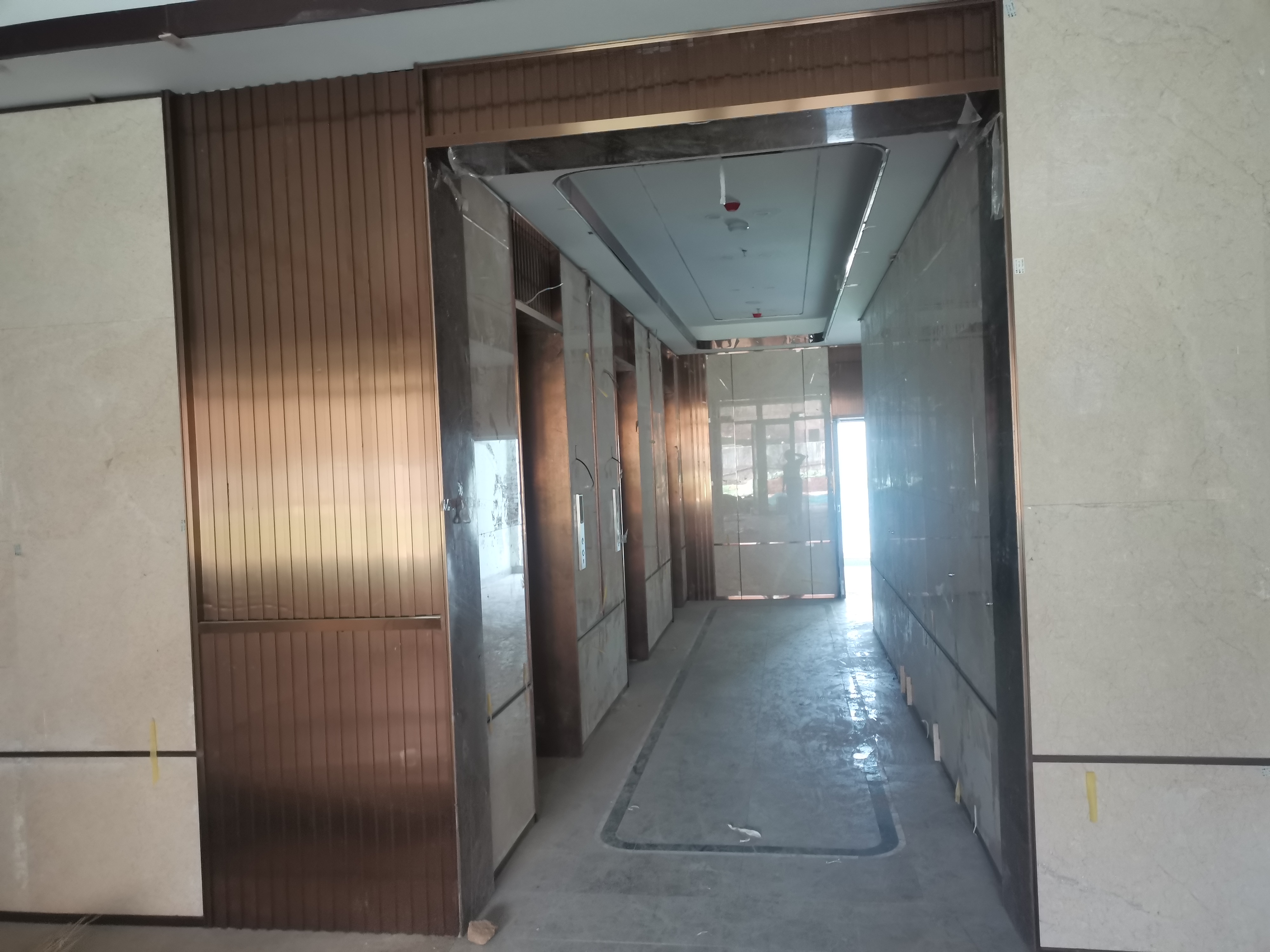
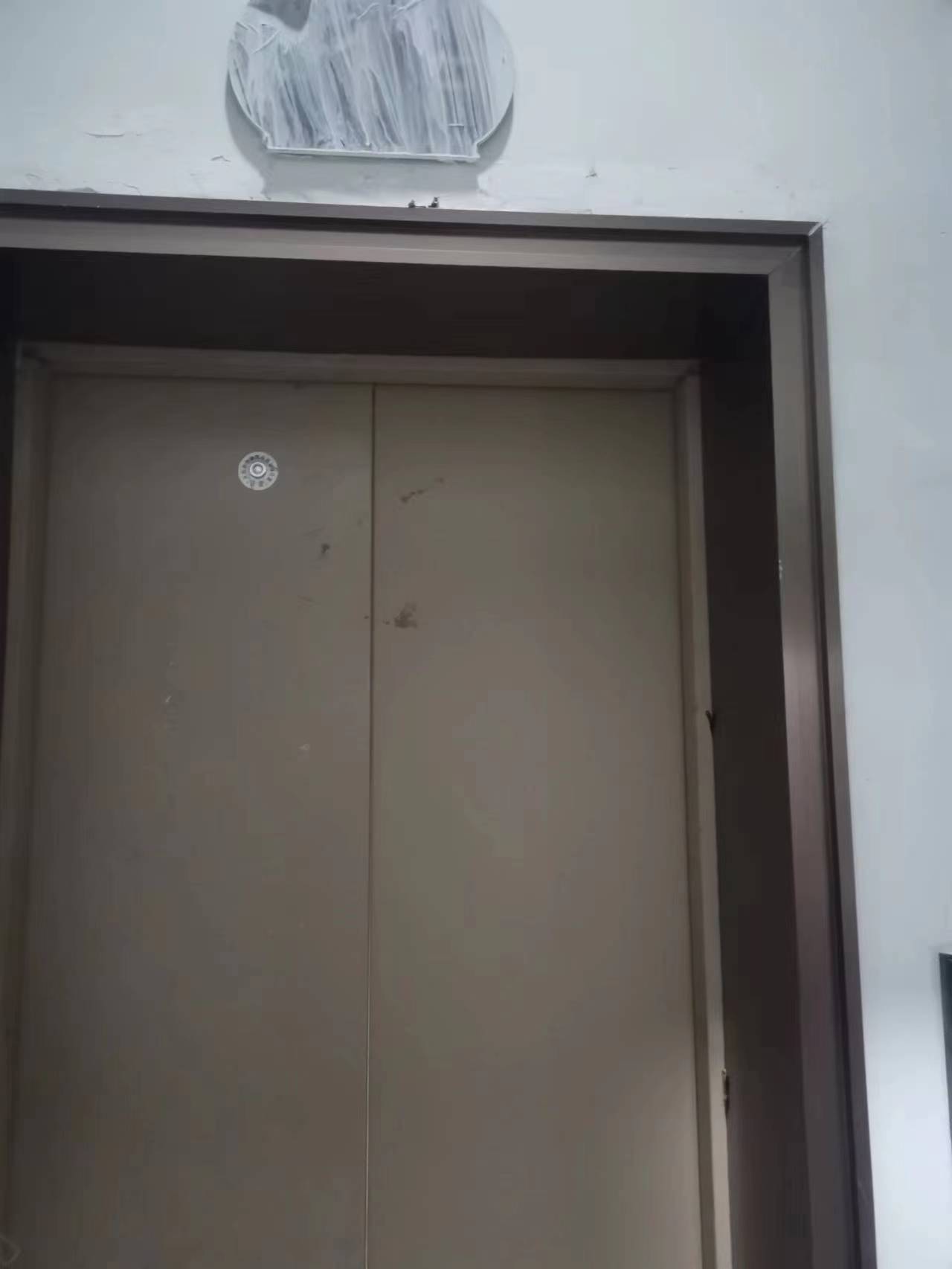
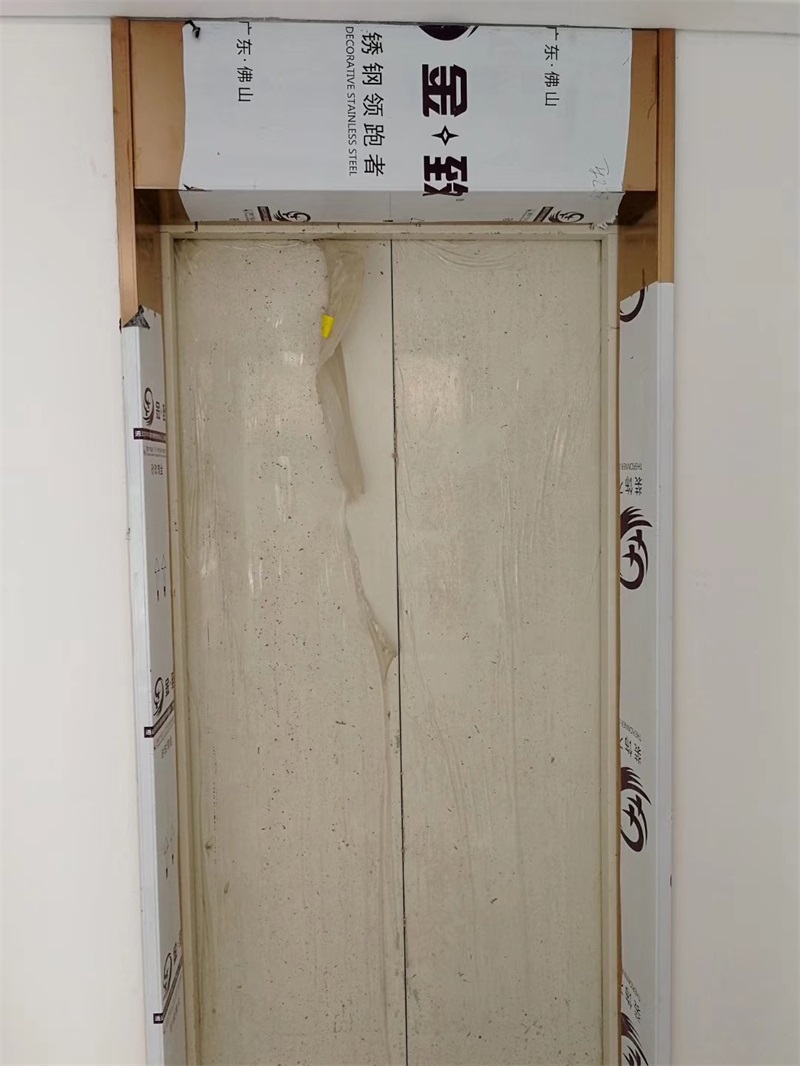
不锈钢电梯门套是以不锈钢板材为主要材料、对电梯门洞进行包覆装饰的构件,通俗来说就是将门洞包覆一层高质量的不锈钢。不锈钢因其出众的耐腐蚀性和耐磨性而被广泛应用于电梯门套领域,不仅能够长时间保持光亮如新的外观,而且具有很高的强度和韧性,能够承受频繁的开关动作而不易变形。同时,不锈钢门套易于清洁维护,适合各种公共场合使用。
Stainless steel elevator door frame is a component mainly made of stainless steel plate, which is used to cover and decorate the elevator door opening. Simply put, it is to cover the door opening with a layer of high-quality stainless steel. Stainless steel is widely used in the field of elevator door frames due to its excellent corrosion resistance and wear resistance. It not only maintains a bright and new appearance for a long time, but also has high strength and toughness, which can withstand frequent switching actions without deformation. Meanwhile, stainless steel door frames are easy to clean and maintain, making them suitable for use in various public places.
不锈钢电梯门套的材质选择主要涉及不锈钢的牌号和厚度。常用的不锈钢板材分为201和304两种型号,两者本质区别在于化学成分不同——304不锈钢的镍含量不低于8%、铬含量不低于18%,耐腐蚀性能更为优异,在潮湿环境及人员密集场所具有更好的抗腐蚀能力。304质量更好但价格较高,201性能稍逊但作为家用场景也完全能够满足需要。板材厚度方面,常规厚度范围为0.5至3.0毫米。标准层电梯门套可采用厚度不小于1.2毫米的板材,而首层、地下室等易受碰撞或人流量大的区域,则应升级使用厚度不小于1.5毫米的板材以增强结构强度。
The material selection of stainless steel elevator door frames mainly involves the grade and thickness of stainless steel. The commonly used stainless steel plates are divided into two types: 201 and 304. The essential difference between the two lies in their chemical composition -304 stainless steel has a nickel content of not less than 8% and a chromium content of not less than 18%, and has better corrosion resistance. It has better corrosion resistance in humid environments and crowded places. 304 has better quality but higher price, while 201 has slightly inferior performance but can fully meet the needs as a household scenario. In terms of board thickness, the conventional thickness range is 0.5 to 3.0 millimeters. Standard floor elevator door frames can use panels with a thickness of not less than 1.2 millimeters, while areas such as the first floor and basement that are prone to collisions or high pedestrian flow should upgrade to using panels with a thickness of not less than 1.5 millimeters to enhance structural strength.
在表面处理方面,不锈钢电梯门套呈现出丰富多样的工艺选择。板材表面处理可分为镜面、油膜拉丝、蚀刻花纹、电镀颜色、不锈钢镀铜、无指纹处理等多种方式。镜面不锈钢表面光亮如镜,视觉效果突出,但在公共空间中容易留下指纹痕迹;哑光拉丝工艺因能有效遮蔽指纹且避免光污染,成为公共空间的优选,其纹理方向应保持一致以符合设计要求。此外,彩色不锈钢还可通过真空电镀工艺呈现出钛金、黑钛、玫瑰金、香槟金、宝石蓝等丰富色彩。

In terms of surface treatment, stainless steel elevator door frames offer a wide range of process options. Surface treatment of sheet metal can be divided into various methods such as mirror finish, oil film drawing, etching pattern, electroplating color, stainless steel copper plating, fingerprint free treatment, etc. The mirror stainless steel surface is as bright as a mirror, with outstanding visual effects, but it is easy to leave fingerprint marks in public spaces; Matte brushed technology has become the preferred choice for public spaces due to its ability to effectively mask fingerprints and avoid light pollution. Its texture direction should be consistent to meet design requirements. In addition, colored stainless steel can also present rich colors such as titanium gold, black titanium, rose gold, champagne gold, gemstone blue, etc. through vacuum electroplating process.
在结构样式方面,不锈钢电梯门套主要有两种安装形式:一种是立边和横边采用45度碰角的形式,另一种是立边和横边垂直安装。前者有时需要焊接碰角,工艺较为复杂;后者安装更为便捷,效果也更理想。在安装工艺方面,不锈钢门套通常需要在结构墙面找平后,安装18毫米厚大芯板作为基层衬板,再用玻璃胶或结构胶将不锈钢面层粘接固定。基层木龙骨需经干燥处理,含水率不应高于12%,并涂刷防火涂料使其燃烧性能达到B1级标准。不锈钢板与基层的固定需采用不锈钢自攻螺丝,并配合中性硅酮结构胶进行双重固定。
In terms of structural style, there are two main installation forms for stainless steel elevator door frames: one is to use a 45 degree angle between the vertical and horizontal edges, and the other is to install the vertical and horizontal edges vertically. The former sometimes requires welding of collision angles, and the process is more complex; The latter is more convenient to install and has a more ideal effect. In terms of installation process, stainless steel door frames usually need to be leveled on the structural wall surface, and an 18mm thick core plate is installed as the base lining plate, and then the stainless steel surface layer is bonded and fixed with glass glue or structural glue. The base wooden keel needs to be dried, with a moisture content not exceeding 12%, and coated with fire-resistant paint to achieve B1 level combustion performance. The fixation between the stainless steel plate and the base layer requires the use of stainless steel self tapping screws, combined with neutral silicone structural adhesive for double fixation.
不锈钢电梯门套凭借现代感强、质感好、耐腐蚀、耐磨、易清洁且防火性能好的综合优势,广泛应用于高档写字楼、酒店、商场等需要展现现代感和质感的场所。随着表面处理工艺的不断创新,不锈钢门套正呈现出更加丰富的色彩和纹理选择,在提升电梯出入口安全性和耐久性的同时,也为建筑空间增添了独特的装饰魅力。
Stainless steel elevator door frames, with their comprehensive advantages of strong modernity, good texture, corrosion resistance, wear resistance, easy cleaning, and good fire resistance, are widely used in high-end office buildings, hotels, shopping malls, and other places that need to showcase modernity and texture. With the continuous innovation of surface treatment technology, stainless steel door frames are presenting richer color and texture choices, which not only improve the safety and durability of elevator entrances and exits, but also add unique decorative charm to building spaces.
本文由淄博电梯门套厂家友情奉献.更多有关的知识请点击:http://www.sddtmt.com真诚的态度.为您提供为多维度的服务.更多有关的知识我们将会陆续向大家奉献.敬请期待.
This article is a friendly contribution from Zibo Elevator Door Frame Manufacturer For more information, please click: http://www.sddtmt.com Sincere attitude To provide you with comprehensive services We will gradually contribute more relevant knowledge to everyone Coming soon.