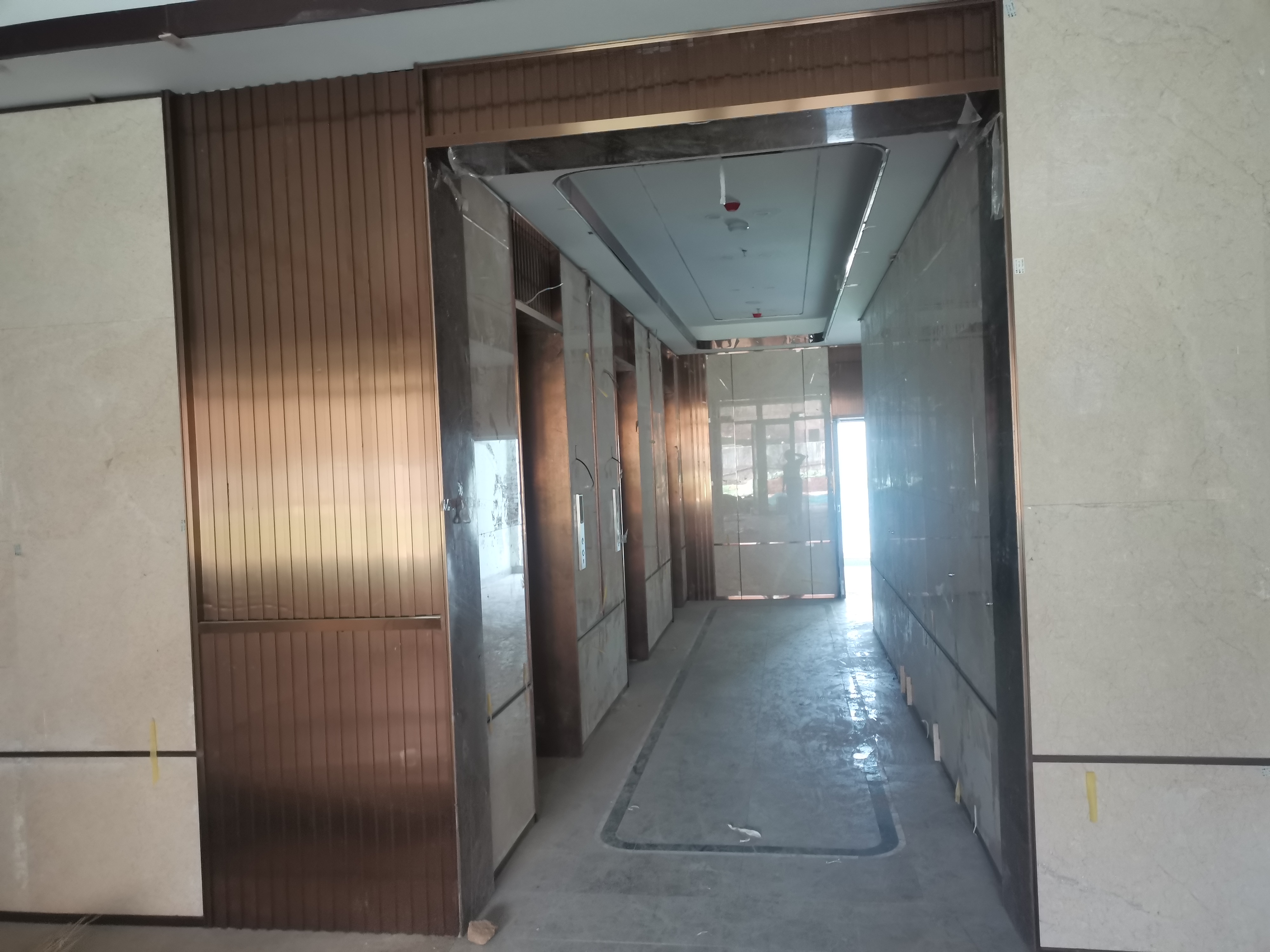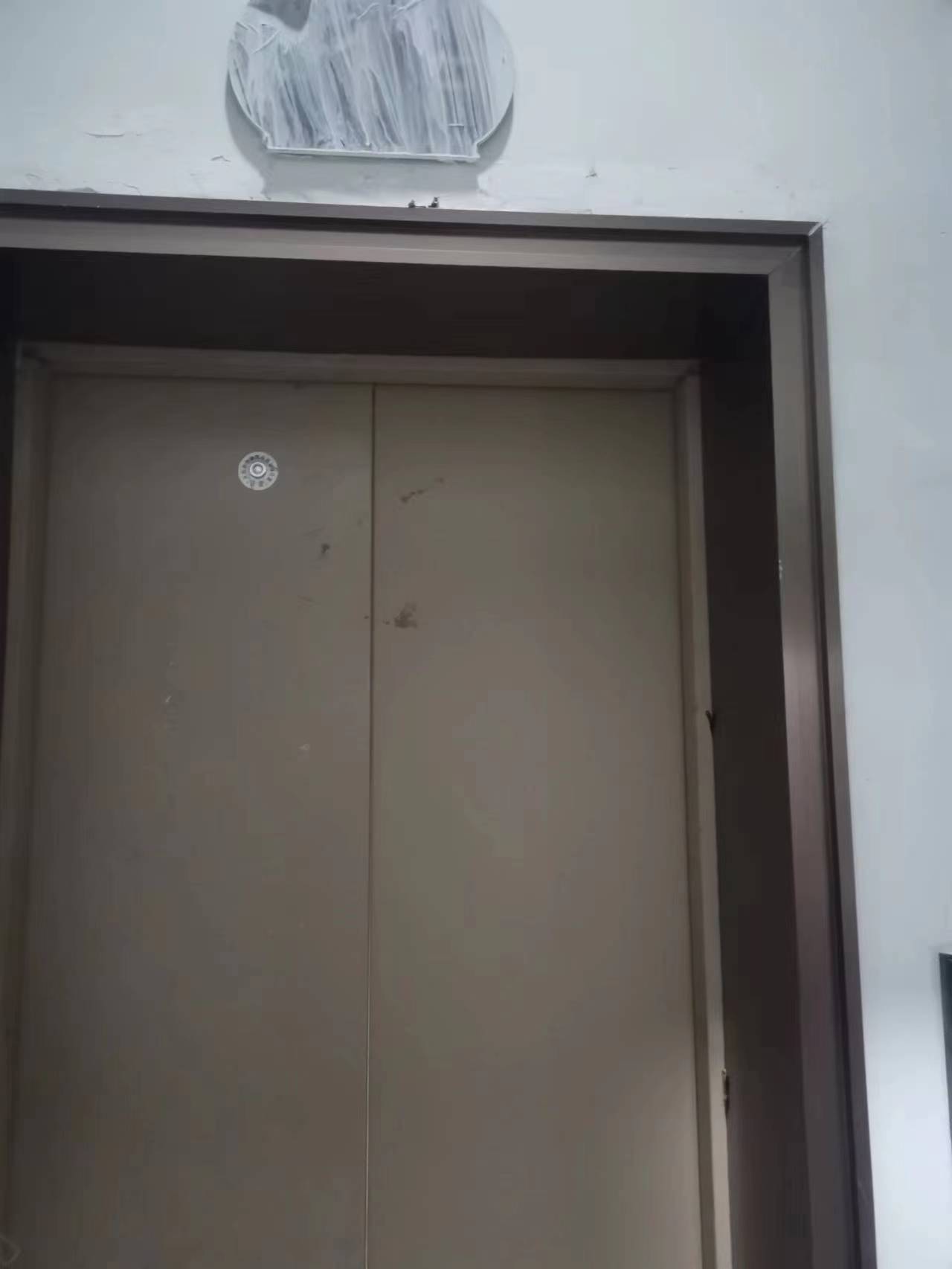


电梯不锈钢包边的标准化施工全流程
如果说优良的材料是电梯不锈钢包边的“骨架”,那么标准化的施工流程则是赋予其“灵魂”的关键。一套严谨的施工体系,能够确保不锈钢包边在长期使用中依然保持紧密贴合的贴合度与历久弥新的光泽感。
If high-quality materials are the "skeleton" of elevator stainless steel edging, then standardized construction processes are the key to giving it its "soul". A rigorous construction system can ensure that stainless steel edging maintains a tight fit and long-lasting luster even during long-term use.
施工的第一步是合理的现场勘测与基层处理。施工人员需使用激光投线仪对电梯洞口进行全方位复核,弹出中心线与水平控制线,确保后续安装的绝对垂直与水平。在基层施工中,通常采用“木龙骨+细木工板”的复合体系。木龙骨需经过严格的干燥与防火涂料处理,并按照200mm至400mm的间距牢固固定在墙体上;随后铺设的细木工板需进行双面防火处理,并通过气排钉与自攻螺丝双重固定,确保基层板面的平整度误差控制在2mm以内,为不锈钢面板的巧妙贴合打下坚实基础。
The first step in construction is precise on-site survey and grassroots treatment. Construction personnel need to use a laser projector to conduct a comprehensive review of the elevator opening, pop out the centerline and horizontal control line, and ensure absolute vertical and horizontal installation in the future. In grassroots construction, a composite system of "wooden keel+particleboard" is usually used. The wooden keel needs to undergo strict drying and fireproof coating treatment, and be firmly fixed on the wall with a spacing of 200mm to 400mm; The subsequently laid plywood needs to undergo double-sided fireproof treatment and be double fixed with air vent nails and self tapping screws to ensure that the flatness error of the base board surface is controlled within 2mm, laying a solid foundation for the perfect fit of the stainless steel panel.

不锈钢板的安装环节,则是考验施工技艺的重头戏。在正式固定前,需对预制好的不锈钢板进行预装,检查板块尺寸与现场的匹配度,并调整板块间隙至均匀状态(通常留缝1.5mm左右)。固定方式上,目前主流采用“结构胶粘贴+机械固定”相结合的工艺。在板材背面采用点状布胶法涂抹中性硅酮结构胶,胶点间距均匀,边缘部位严格控制距离;对于高度超过1.5米的大板块,还需增设隐蔽式不锈钢干挂件进行辅助固定,以抵御长期的震动与形变。
The installation process of stainless steel plates is a crucial test of construction skills. Before formal fixation, it is necessary to pre install the prefabricated stainless steel plates, check the matching degree between the plate size and the site, and adjust the plate gap to a uniform state (usually leaving a gap of about 1.5mm). In terms of fixing methods, the current mainstream approach is to use a combination of structural adhesive bonding and mechanical fixation. Apply neutral silicone structural adhesive on the back of the board using a point like adhesive method, with even spacing between adhesive points and strict distance control at the edges; For large plates with a height exceeding 1.5 meters, concealed stainless steel dry hangers need to be added for auxiliary fixation to resist long-term vibration and deformation.
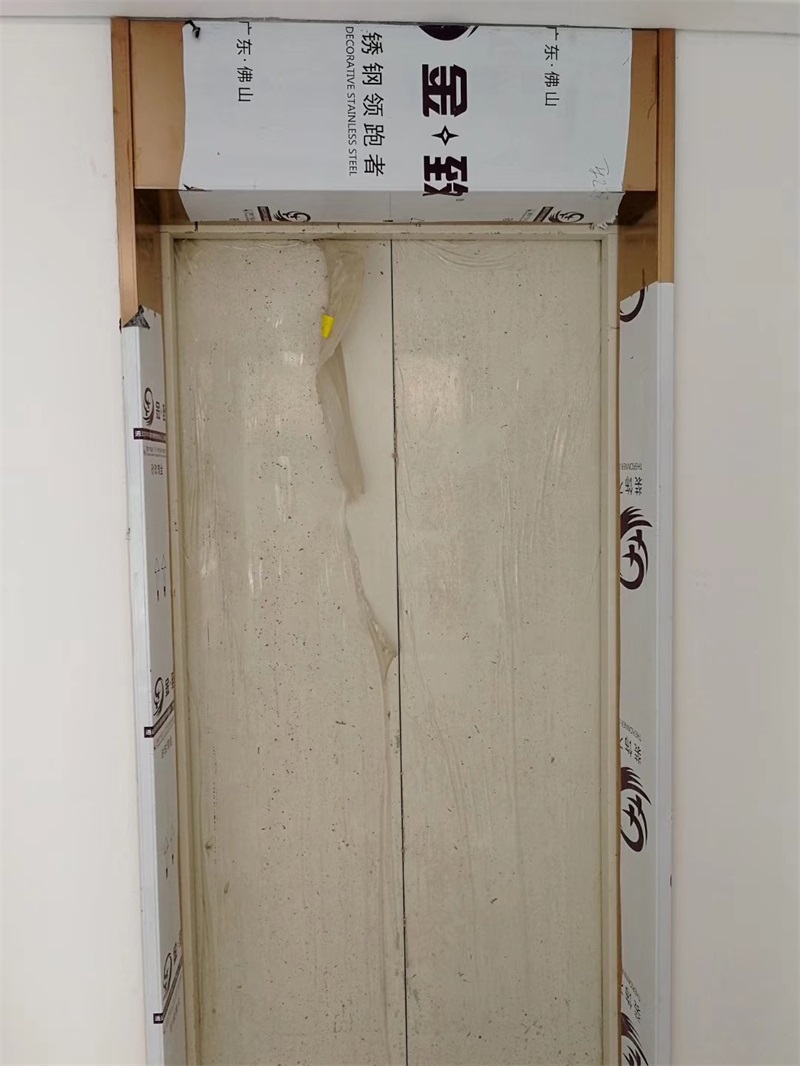
非常后的收口与保护同样不容忽视。在板块接缝处,需涂抹耐候性硅酮密封胶,胶缝应饱满、均匀、平滑,既能防止水汽渗入基层,又能起到缓冲热胀冷缩的作用。安装完成后,需撕去不锈钢表面的保护膜,并对板面进行有效的清洁。整个施工过程中,对电梯轿厢及地面的成品保护也建议同步到位,防止重物坠落或工具刮擦造成不可逆的损伤。只有通过这样环环相扣的标准化作业,才能交付一个既安全牢固又美观大气的电梯不锈钢包边工程。
The final closure and protection cannot be ignored. At the joints of the panels, weather resistant silicone sealant should be applied. The sealant should be full, uniform, and smooth, which can prevent water vapor from penetrating the base layer and also play a role in buffering thermal expansion and contraction. After installation, it is necessary to remove the protective film on the stainless steel surface and thoroughly clean the board surface. During the entire construction process, the finished product protection of the elevator car and ground must also be synchronized to prevent irreversible damage caused by heavy objects falling or tools scratching. Only through such interlocking standardized operations can a safe, sturdy, and aesthetically pleasing elevator stainless steel edging project be delivered.